
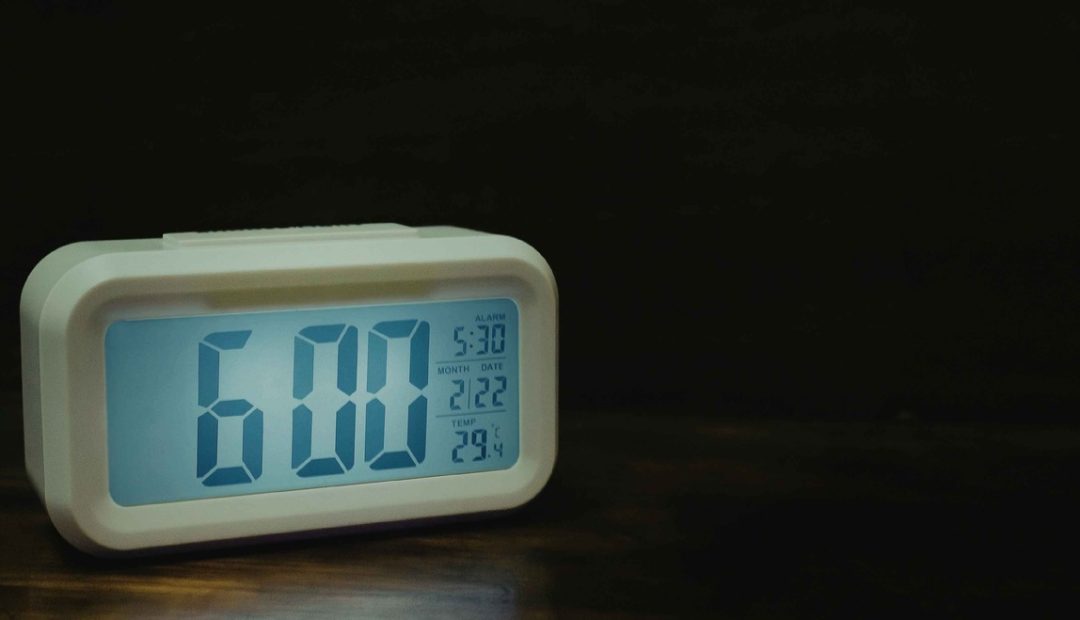
Il est sept heures sept, et votre regard tombe sur l’écran de votre téléphone, encore une fois. La coïncidence semble un peu trop parfaite pour n’être que du hasard. Dans l’univers des heures miroirs, 07h07 est l’une des plus encourageantes pour celles et ceux qui traversent une période de célibat. Ce n’est pas un signe d’alerte : c’est bien souvent une invitation.
Sommaire de l'article
Ce que 07h07 dit à ceux qui cherchent l’amour
Pour une personne seule, 07h07 parle avant tout d’une évolution en cours. Les interprétations convergent toutes vers le même message : une rencontre significative se prépare, à condition d’y être réceptif.
La tarologie associe cette heure au Chariot, arcane numéro 7 du tarot de Marseille. Cette lame symbolise la victoire, l’avancée et la protection des liens amoureux naissants. Elle annonce que la route est ouverte, que l’élan intérieur peut maintenant se concrétiser.
Concrètement, 07h07 invite à :
- faire le point sur ce que vous souhaitez vraiment dans une relation
- rester attentif aux synchronicités du quotidien (une rencontre, une conversation inattendue)
- lâcher les schémas anciens qui fermaient la porte à l’autre
Ce signe ne promet pas une rencontre le jour même. Il indique que vous entrez dans une période favorable, et que l’univers est de votre côté.
L’ange Yeiayel, gardien du chemin sentimental

Chaque heure miroir est associée à un ange gardien. Celui de 07h07 se nomme Yeiayel, l’ange de la fortune, du prestige et de l’abondance. Il agit entre 7h00 et 7h20, et son influence touche autant la vie professionnelle que sentimentale.
Pour un célibataire, sa présence à 07h07 porte un message clair : vous suivez le bon chemin. Yeiayel encourage à développer la vie intérieure, à ne pas avoir peur du changement, et à avancer avec confiance vers ce qui vous correspond vraiment.
Ce gardien céleste est aussi protecteur des échanges sincères. Il stimule l’intuition et la capacité à communiquer ses émotions, deux qualités essentielles pour créer une connexion authentique avec quelqu’un de nouveau.
Numérologie et tarot : les chiffres confirment l’ouverture
En numérologie, 07h07 renvoie au nombre 14 (7 + 7), lui-même associé au nombre 5 (1 + 4). Le 14 symbolise le mouvement, l’intelligence du cœur et l’ouverture au changement. Le 5, quant à lui, annonce une transformation imminente, celle que vous avez peut-être déjà commencé à percevoir.
Le chiffre 7, présent en double, amplifie la dimension de quête intérieure. Il invite à la réflexion profonde sur vos attentes amoureuses, sans tomber dans le perfectionnisme ou l’isolement. Un excès de 7 peut parfois pousser à se retrancher dans ses pensées au lieu d’aller vers l’autre : ce point mérite attention.
Le Chariot, lame associée à cette heure, apporte une nuance précieuse. Dans les questions de cœur, il protège les unions naissantes et favorise la loyauté. Il peut même annoncer une rencontre lors d’un déplacement ou d’un contexte inhabituel. Si vous croisez régulièrement d’autres heures miroirs en période de célibat, chaque message mérite d’être lu séparément.
Comment accueillir ce signe dans votre quotidien ?
Voir 07h07 régulièrement n’appelle pas à une action spectaculaire. C’est davantage un rappel de ralentir pour mieux se connecter à soi. Voici quelques façons concrètes d’y répondre :
- Pratiquer quelques minutes de méditation le matin pour clarifier vos intentions
- Tenir un carnet de synchronicités, noter ce à quoi vous pensiez au moment de voir cette heure
- Rester ouvert aux rencontres dans des contextes inhabituels, là où vous sortez de votre zone de confort
La clé n’est pas d’attendre passivement. 07h07 vous dit que l’énergie est favorable, mais c’est votre propre mouvement vers l’autre qui donnera forme à ce signe.