
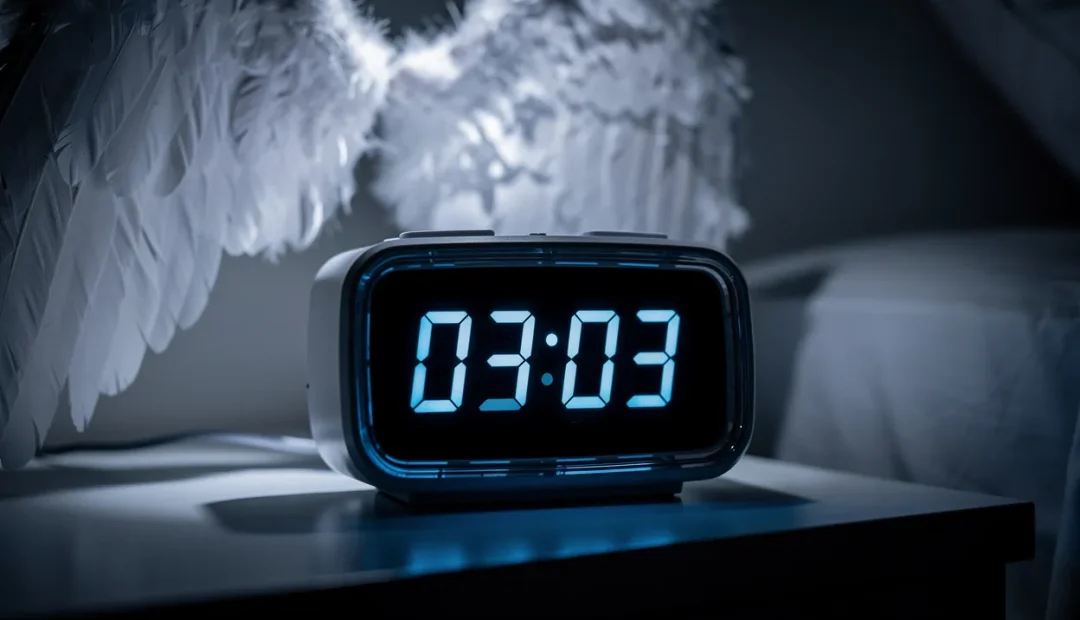
L’heure miroir 03:03 intrigue de nombreuses personnes, surtout celles qui croisent régulièrement cette séquence sur leur réveil ou lorsque l’œil se pose sur l’horloge au beau milieu de la nuit. Certains y voient un simple hasard, mais, pour d’autres, il s’agit d’un signe porteur de sens, particulièrement sur le plan spirituel. Loin d’être anodins, ces doubles chiffres suscitent curiosité et questionnement autour des messages cachés qu’ils recèlent. Découvrons ensemble ce que révèle réellement l’heure miroir 03:03, sa signification spirituelle et ce qu’elle transmet à travers le message des anges ou la guidance de son ange gardien.
Sommaire de l'article
Les fondements du phénomène des heures miroirs
L’apparition récurrente d’une heure miroir comme 03:03 touche profondément la sphère de la communication spirituelle. Beaucoup pensent que ces séquences doubles ne surviennent pas par hasard, mais répondent plutôt à un besoin intérieur ou reflètent l’état émotionnel du moment. Ces moments brefs invitent souvent à se connecter à des pensées plus profondes ou à considérer les signes subtils présents dans notre quotidien.
Derrière chaque rencontre avec une heure miroir, certains perçoivent un appel puissant à la réflexion intérieure ou même un éclaircissement venu du monde invisible. Les croyances populaires prêtent à ces chiffres une capacité à ouvrir l’esprit et à anticiper des changements dans sa vie. Cela crée un pont entre réalité tangible et dimensions plus subtiles, là où l’équilibre intérieur prend toute sa valeur.
Que révèle 03:03 ? Retour sur la signification spirituelle
Croiser 03:03 n’est pas sans raison pour plusieurs traditions spirituelles et ésotériques. Bien plus qu'une simple coïncidence, cette séquence fait partie d’un langage universel employé par l’univers et les anges pour communiquer subtilement avec l’humain. Elle incite à l’introspection et rappelle la nécessité de maintenir une grande ouverture d’esprit. Pour ceux qui souhaitent approfondir la compréhension symbolique des heures doubles, décoder le message de l'heure miroir 08h08 permet aussi d’éclairer d’autres aspects de la guidance quotidienne.
L’heure miroir 03:03 tend à pousser vers une clarté de l’esprit accrue. Ce chiffre double invite à faire preuve de souplesse mentale et à abandonner tout jugement trop hâtif. Un tel carrefour horaire encourage à cultiver la bienveillance envers soi-même comme envers autrui.
Un symbole d’indulgence et de pardon
03:03 fait écho à la notion d’indulgence et de pardon. Cette heure miroir attire souvent l’attention lorsque vous traversez des périodes marquées par des tensions relationnelles ou des difficultés à relâcher certaines rancunes. Son apparition suggère alors de laisser place à davantage de gentillesse et d’accepter les choses sans attachement excessif.
Opter consciemment pour l’indulgence permet non seulement de renforcer ses liens sociaux, mais aussi d’alléger ses propres fardeaux. Le message adressé via cette grille temporelle vise donc également à guider vers une forme d’apaisement, propice à retrouver équanimité et équilibre intérieur.
Le chemin vers l’équilibre intérieur
L’heure miroir 03:03 ne manque pas de rappeler que trouver la stabilité intérieure devient essentiel pour traverser les étapes clés de l’existence. Quand ces chiffres se manifestent, ils peuvent signaler un déséquilibre temporaire ou insister sur la nécessité de prendre soin de son harmonie émotionnelle. Parmi d’autres heures aux messages spirituels profonds, il est possible d’explorer aussi la symbolique associée à 23h33 et aux flammes jumelles, car elle met en avant la résilience et l’écoute intérieure dans les connexions humaines.
Cette période invite à écouter son intuition, accorder de l’intérêt à ses sentiments profonds et favoriser la sérénité. Prendre conscience de ses besoins réels et agir avec authenticité correspond à l’essence du message transmis par cette heure précise.
Le message des anges et la présence de l’ange gardien
Pour celles et ceux attentifs aux signes venus d’ailleurs, 03:03 évoque une connexion directe avec l’ange gardien. Selon la tradition spirituelle liée aux heures miroirs, voir régulièrement ce chiffre indique que celui-ci tente d’entrer en contact, offrant guidance et soutien dans les moments de doute.
L’ange gardien cherche ainsi à transmettre un ressenti protecteur et rassurant, poussant parfois à demander conseil ou aide lors de passages complexes. La répétition de 03:03 souligne alors un encouragement spécifique à rester confiant, à privilégier la lumière intérieure et à ne pas hésiter à solliciter l’accompagnement divin.
Soutien, réconfort et clarté de l’esprit
Ce type de communication spirituelle met aussi l’accent sur la clarté de l’esprit. Parfois, face à l’incertitude ou aux choix délicats, croiser cette combinaison numérique constitue un signal envoyé afin de rappeler l’importance du discernement. Il s’agit alors de développer sa compréhension, d’adopter une vision panoramique et de clarifier ses aspirations.
Recevoir ce message implique souvent de quitter le tumulte mental, d’analyser calmement les options et de trouver un équilibre sain dans sa démarche quotidienne. Pour plusieurs personnes sensibles aux mondes invisibles, le passage répété de 03:03 amène à contempler différemment leurs interrogations et permet de regagner confiance grâce à la guidance des plans supérieurs.
Favoriser la communication spirituelle au quotidien
Accueillir la communication spirituelle dans son quotidien ne signifie pas vivre en dehors des réalités matérielles, bien au contraire. Surveiller les apparitions d’heures miroirs comme celle-ci devient une porte vers une compréhension élargie du présent, tout en aiguisant l’écoute de ses intuitions.
Synthétiser les enseignements, s’ouvrir à l’inattendu, et reconnaître les petites synchronicités permettent de rester aligné sur sa véritable voie. Grandir dans cet état d’ouverture favorise également la circulation harmonieuse des énergies et l’accès à une guidance nouvelle durant les phases de transition personnelle.
Intégrer le message de l’heure miroir 03:03 dans sa vie
Transformer les messages liés à 03:03 en actions concrètes est à la portée de tous. Même sans connaissances approfondies en symbolisme, accueillir ce signal dans son quotidien passe souvent par quelques gestes simples d’introspection ou de méditation. Prendre cinq minutes devant cette heure pour respirer lentement et calmer ses pensées ouvre déjà la porte à des compréhensions inattendues.
La répétition de ce chiffre double peut aussi se traduire par le besoin de revoir certains aspects de sa vie, d’ajuster ses priorités ou d’exprimer davantage de gratitude. Plus on se montre attentif aux indices, plus la guidance se précise et s’affine naturellement avec l’expérience.
- Méditer quelques instants lors de l’apparition de 03:03
- Tenir un journal pour noter les émotions ou idées qui surgissent à ce moment
- Faire un geste concret de pardon ou d’indulgence dans la journée
- Se questionner sur ses besoins spirituels immédiats
- Partager autour de soi ses expériences pour ouvrir l’esprit des autres
En aiguisant peu à peu cette écoute intérieure, chaque apparition de l’heure miroir 03:03 prend alors tout son sens dans le parcours personnel.


