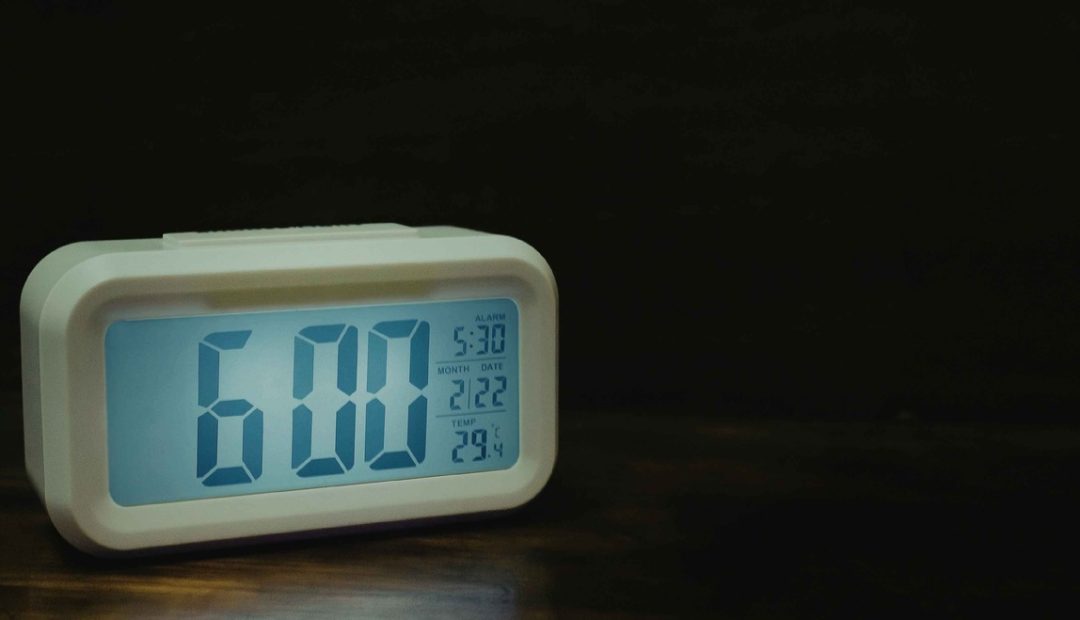

Se retrouver face à une heure miroir, en particulier 08h08, éveille souvent la curiosité. Beaucoup de personnes y voient des signes ou de subtiles invitations à réfléchir sur leur propre vie. Lorsqu’on est célibataire, décrypter cette synchronicité peut apporter des éclairages inattendus sur sa situation amoureuse, ses choix à venir et même l’équilibre général que l’on cherche à instaurer dans son quotidien. Plonger au cœur de la signification de 08h08 révèle autant des pistes de réflexion personnelles que des éclats d’espoir pour l’avenir.
Sommaire de l'article
Décoder le message de l’heure miroir 08h08
L’affichage répété de 08h08 attire forcément l’attention et pousse à chercher une explication logique ou symbolique. Pour certains, c’est juste un hasard, mais pour beaucoup, cela va bien plus loin qu’une simple coïncidence. Les heures miroirs sont souvent associées à des messages de l’univers ou à des opportunités de réflexion sur soi. Il semble donc pertinent de s’arrêter un instant sur la portée de cette heure double.
Regarder régulièrement 08h08 quand on est célibataire invite naturellement à analyser les domaines-clés de sa vie. Cela concerne aussi bien l’amour, l’harmonie intérieure que les défis liés à l’évolution personnelle. Cette séquence numérique encourage à prendre du recul avant de faire des choix importants, tout en ouvrant la porte à des prises de conscience enrichissantes.
Le symbole de l’équilibre et de l’harmonie
La répétition du chiffre 8 en début de matinée résonne avec l’idée d’équilibre. En numérologie, le 8 évoque justement cette dualité entre monde matériel et aspirations émotionnelles. Seul ou en quête d’un partenaire, il est fréquent de se questionner sur sa propre capacité à trouver ce point d’alignement entre cœur, esprit et actions quotidiennes.
Observer 08h08 fonctionnerait alors comme un rappel subtil d’accorder du poids, non seulement à ses sentiments, mais également à l’organisation de sa vie professionnelle et sociale. Pour ceux qui souhaitent donner un nouvel élan à leur vie sentimentale, recourir à un rituel d’amour gratuit et rapide peut constituer un premier pas concret vers plus d’harmonie affective. C’est aussi, en filigrane, une invitation à veiller à construire une harmonie solide en soi avant de chercher à fusionner avec quelqu’un d’autre.
Des décisions justes à prendre
Quand on parle d’heures miroirs, il devient difficile de ne pas évoquer la notion de justice, telle qu’on la retrouve dans le tarot. La carte de la Justice symbolise l’importance du discernement et des choix éclairés. Face à 08h08, chacun se retrouve symboliquement devant une balance invisible, invité à peser le pour et le contre avant toute prise de décision affective ou relationnelle.
Un célibataire voyant fréquemment cette heure pourrait alors ressentir le besoin de poser un regard neuf sur ses critères amoureux, ou sur ses ambitions professionnelles. À travers certaines cultures et symboles, le besoin de courage et de fidélité peut par ailleurs être représenté différemment, notamment par le biais d’un tatouage d’hirondelle et ses multiples significations. Prendre des décisions justes signifie parfois accepter de lâcher prise sur ses peurs, pour laisser davantage de place à la confiance en l’inattendu.
Amour, abondance et réussite professionnelle : une dynamique à explorer

L’énergie associée au 8 se décline sous plusieurs aspects, allant bien au-delà des rencontres sentimentales purement romantiques. L’abondance et la réussite professionnelle trouvent également leur place dans ces réflexions. Être célibataire ne signifie pas rester immobile, mais plutôt profiter de cette période pour s’épanouir sur différents plans et semer les graines d’un avenir harmonieux.
Sous cet angle, 08h08 suggère que développer sa propre abondance accorde davantage de chances d’attirer vers soi des relations équilibrées et sincères. Oser investir du temps dans ses passions, accroître sa confiance et poursuivre activement des objectifs professionnels deviennent alors des moteurs puissants pour cultiver une vie amoureuse saine au moment opportun.
Renforcer sa confiance personnelle
08h08 lancé discrètement à chaque passage matinal incite à cultiver une véritable confiance en ses propres capacités. Sortir de la comparaison sociale et valoriser les étapes accomplies offrent des bases solides pour accueillir sereinement l’imprévu ou l’arrivée future d’un partenaire.
Cela passe par une meilleure connaissance de soi et par l’acceptation de ses imperfections. Transformation intérieure et développement personnel peuvent alors se vivre pleinement, sans pression extérieure, créant ainsi le terrain idéal pour une histoire d’amour durable dès qu’elle se présentera.
Faire de la solitude un tremplin vers l’abondance
La solitude, souvent redoutée par les célibataires, prend un autre sens à la lumière de 08h08. Cette heure miroir propose de transformer ce temps solitaire en occasion de prospérité intime et matérielle. Développer ses talents, multiplier les sources de bien-être et organiser soigneusement ses journées servent à bâtir petit à petit une forme d’abondance plurielle où rien n’est laissé au hasard.
Prenons par exemple le cas d’un célibataire qui découvre une nouvelle passion ou lance un projet professionnel innovant. Progressivement, cela façonne autour de cette personne un climat propice aux succès futurs, aussi bien dans la carrière que dans l’établissement de rencontres sérieuses et constructives.
- Prendre conscience de ses vrais désirs pour agir ensuite avec authenticité
- S’engager dans des activités porteuses de sens et favorisant l’abondance
- Accepter de réajuster ses priorités au fur et à mesure des expériences
- Doser avec intelligence ses aspirations sentimentales et professionnelles
Écouter les signes et avancer sereinement dans sa vie de célibataire
Le fait de croiser fréquemment 08h08 agit parfois comme un clin d’œil venu rappeler que votre parcours a toute sa légitimité. Loin d’être figée, la période de célibat peut alors devenir un espace expérimental, où règnent apprentissage, découverte de nouveaux horizons et ajustement progressif de ses valeurs.
Rester attentif à ces petits détails quotidiens permet progressivement de mieux analyser où en sont vos envies véritables, et d’ajuster vos démarches vers davantage de sérénité. Que ce soit dans l’amour, la réussite professionnelle ou l’équilibre général, accorder foi à l’apparition régulière de cette heure miroir ouvre la voie à de beaux développements personnels.