
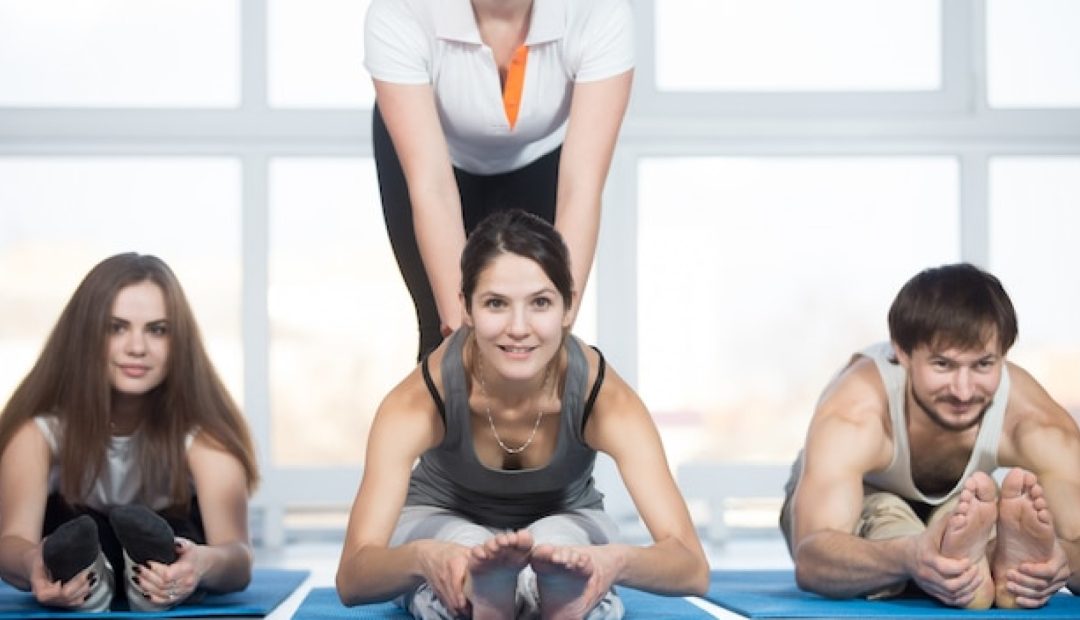
Trouver le bon professeur de pilates et yoga représente une étape essentielle dans sa quête de bien-être. Chaque pratiquant, qu’il soit débutant ou expérimenté, recherche un accompagnement personnalisé capable d’adapter les séances à ses attentes spécifiques. À Paris 16ᵉ, Isabelle Franck-Ribas se distingue par son parcours exemplaire et la diversité de ses compétences, incarnant l’idéal du professeur diplômé à l’écoute des besoins individuels. Un choix éclairé s’impose afin de bénéficier pleinement des effets positifs de ces disciplines sur la santé physique et mentale.
Sommaire de l'article
Les bienfaits du pilates et du yoga pour le bien-être
Le pilates et le yoga développent force, souplesse et équilibre, tout en favorisant le calme intérieur. Ce double effet physique et mental séduit de plus en plus de personnes en quête d’harmonie générale. Grâce à une pratique régulière, on observe souvent une amélioration nette de la posture, de la gestion du stress ainsi que du tonus musculaire.
En privilégiant des exercices adaptés au niveau de chacun, un professeur expérimenté accompagne ses élèves vers une progression optimale. Cette personnalisation permet de tirer profit à la fois des cours collectifs et des séances individuelles, essentielles pour gagner en maîtrise et cultiver une meilleure confiance en soi.
Quels critères pour choisir son professeur de pilates et yoga ?
Sélectionner un professeur adapté passe par l’examen de plusieurs aspects clés. Un encadrement professionnel garantit la sécurité et l’efficacité de la progression, tout en assurant une ambiance propice au bien-être. Voici quelques éléments indispensables à considérer avant de s’engager :
- Qualification et expérience du professeur
- Type de formation suivie et années de pratique personnelle
- Méthodes complémentaires maîtrisées (renforcement musculaire, danse contemporaine…)
- Accessibilité des cours : collectifs, individuels ou vidéos en ligne
- Écosystème bien-être du studio (synergie avec nathuropathes, reiki…)
- Adéquation avec vos objectifs spécifiques
L’obtention d’un diplôme reconnu, à l’image de la certification yoga alliance ou d’une spécialisation chez Ron Fletcher Cie, est déjà un gage sérieux de professionnalisme. Une formation continue, enrichie par des stages variés, ajoute une dimension précieuse à l’accompagnement proposé.
L’importance de la formation reconnue et de la polyvalence
La durée et la qualité de la formation suivie par le professeur jouent un rôle central dans la fiabilité de son enseignement. Isabelle Franck-Ribas peut se prévaloir de deux ans de formation en yoga et de deux ans de formation en pilates, incluant une validation officielle et de nombreuses retraites spécialisées qui nourrissent son approche pédagogique. Cette immersion approfondie, associée à une pratique personnelle régulière depuis 2008, renforce ce socle technique et humain, offrant ainsi un cadre sécurisant où chaque élève se sent valorisé.
À côté des certifications en pilates et yoga, la découverte d’approches telles que Feldenkrais, Franklin, ou même la danse contemporaine contribue à façonner des séances variées et vivantes. Cette richesse méthodologique augmente la capacité d’adaptation à tous les profils, quel que soit l’âge ou le niveau initial. L’expertise acquise par la participation à des stages et par l’apprentissage auprès de mentors diversifiés assure aux élèves d’évoluer dans un environnement dynamique et inspirant.
Focus sur Isabelle Franck-Ribas, professeur de pilates et yoga à Paris 16
Isabelle Franck-Ribas propose un parcours remarquable qui allie passion, rigueur académique et ouverture d’esprit. Professeur diplômé à la fois en kriya hatha yoga et pilates, elle a suivi deux ans de formation intensive auprès de références internationales, notamment à Singapour et en Angleterre. Son engagement envers la formation permanente la distingue nettement. Elle est également coach sportif diplômée ainsi qu’enseignante certifiée en renforcement musculaire et hi-low impact par l’université de Surrey à Londres. Ces atouts font d’elle un interlocuteur de choix pour toute personne souhaitant progresser dans un cadre structurant, accueillant et épanouissant.
- Professeur diplômée yoga alliance (2016)
- Diplôme Ron Fletcher Cie pilates (2008)
- Formation diplômante en coaching sportif (YMCA 2003)
- Expérience multisectorielle (danse, méthode Feldenkrais…)
- Initiations et retraites annuelles enrichissant l’expérience
Situé dans le studio paris 16, son espace accueille tous types de profils, du novice au pratiquant aguerri – chacun ayant accès à des cours collectifs, des séances individuelles, ou encore à des vidéos en ligne pour prolonger les bénéfices chez soi. L’écosystème global du studio inclut aussi des professionnels du bien-être tels que nathuropathes et praticiens en reiki, donnant à l’expérience une réelle dimension holistique.
L’offre de cours collectifs et individuels pour une pratique personnalisée
Un des avantages majeurs de suivre un professeur de pilates et yoga reconnu réside dans la possibilité de moduler son apprentissage selon ses envies. Chez Isabelle Franck-Ribas, il existe une grande flexibilité entre les formats proposés. Les cours collectifs encouragent l’émulation et créent une dynamique de groupe valorisante, idéale pour rester motivé.
Les séances individuelles répondent, quant à elles, aux attentes spécifiques en matière de correction posturale ou d’ajustements techniques poussés. Les vidéos en ligne offrent une alternative appréciable pour celles et ceux désireux de pratiquer à domicile tout en conservant les repères enseignés au studio. Cette modularité respecte le rythme et les contraintes personnelles de chaque participant.
| Format | Objectif principal | Public ciblé |
|---|---|---|
| Cours collectifs | Dynamique de groupe, motivation | Débutants, intermédiaires, avancés |
| Cours individuels | Correction posturale, progression rapide | Besoins spécifiques, rééducation |
| Vidéos en ligne | Flexibilité, pratique autonome | Tout niveau, emploi du temps contraint |
Cette organisation permet à chaque élève de prendre le contrôle de son parcours, en bénéficiant d’un suivi précis et d’une atmosphère inspirante, propice au développement du potentiel individuel.
Questions fréquentes sur le choix d’un professeur de pilates et yoga
Comment vérifier la qualification d’un professeur diplômé en pilates et yoga ?
Un professeur qualifié doit présenter des diplômes reconnus dans ses domaines d’enseignement. Recherchez notamment des certifications délivrées après au moins deux ans de formation sérieuse, comme un diplôme en pilates Ron Fletcher Cie ou une reconnaissance yoga alliance.
- Consultez le parcours scolaire et les spécialisations obtenues
- Vérifiez les affiliations à des fédérations reconnues
- Demandez des preuves de formation continue ou de stages complémentaires
Où trouver des cours collectifs ou individuels adaptés à tous niveaux ?
De nombreux studios proposent aujourd’hui des formats variés. Le studio de Isabelle Franck-Ribas à Paris 16 accueille des groupes ou organise des séances individuellement, pour répondre à chaque besoin.
- Formules souples adaptées à votre emploi du temps
- Accueil personnalisé dès le premier contact
- Possibilité de compléter par des vidéos en ligne
Pourquoi choisir un enseignant formé à différentes méthodes ?
Un professeur qui maîtrise des approches variées propose des séances plus riches et adaptées. Cela permet de combiner les bienfaits du pilates, du yoga, du renforcement musculaire ou des techniques de mobilité innovantes pour atteindre des résultats optimaux.
- Meilleure adaptation des exercices au corps de chacun
- Réponse efficace aux objectifs spécifiques (souplesse, tonicité, relaxation…)
- Stimulation de la curiosité et maintien de la motivation
Quel est l’avantage d’un écosystème bien-être autour du professeur ?
Un environnement intégrant nathuropathe, praticien reiki ou énergéticien permet d’offrir un accompagnement global orienté vers la santé et l’épanouissement personnel. Le studio Listen To You à Paris 16 propose cet écosystème centré sur le bien-être.
| Service complémentaire | Bénéfice apporté |
|---|---|
| Nathuropathie | Améliorer l’hygiène de vie au quotidien |
| Reiki | Renforcer l’équilibre énergétique |
| Autres partenaires | Conseils nutrition, gestion de stress, etc. |
En résumé, choisir un professeur de pilates et yoga diplômé comme Isabelle Franck-Ribas, c’est s’assurer d’un accompagnement de qualité, basé sur une solide formation reconnue et une grande polyvalence. Que vous optiez pour des cours collectifs, des séances individuelles ou des vidéos en ligne, vous bénéficiez d’une pratique adaptée à tous niveaux et d’un environnement riche en ressources bien-être. N’hésitez pas à découvrir son studio à Paris 16 pour entamer ou approfondir votre démarche vers un meilleur équilibre corps-esprit.