Noe Kaléidoscope vous donne toutes les clés pour être à la mode
Je suis Noémie : Addict de tendances de Mode & conseils Beauté et accro au Bien-être
L’histoire que j’aimerais raconter ……
Moi c’est Noémie, et je vous emmène dans mon univers à travers mes photos, mes anecdotes, mes récits…. La mode, la beauté, le bien-être et aussi (un peu) le Kaléidoscope.
“Ma vie quotidienne est remplie d’aventures et de découvertes.“
“Chaque jour, je suis également à l’affût de conseils et d’astuces mode et beauté.“
Une vie à l’image d’un Kaléidoscope
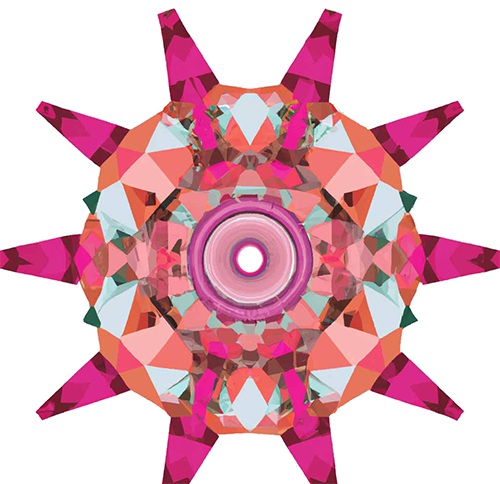
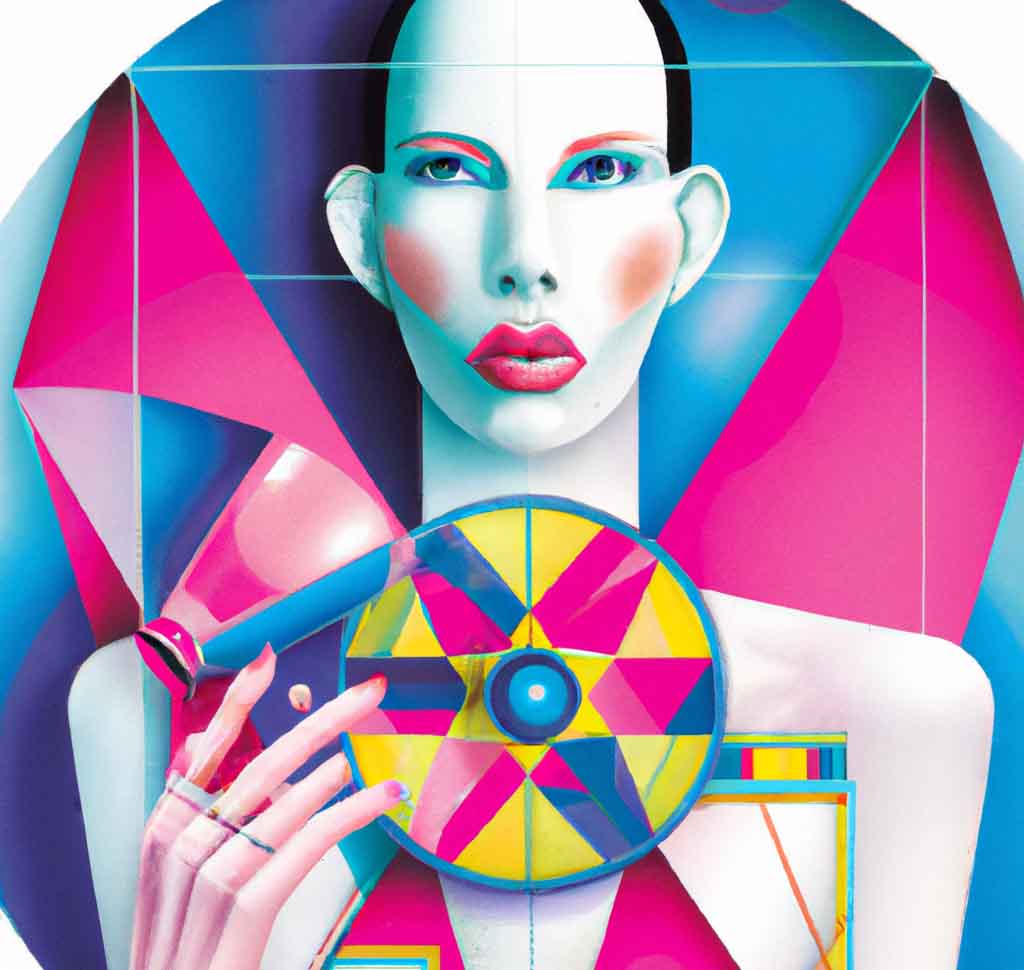
Le Kaléidoscope est un drôle d’objet, amusant, hypnotisant avec ces dessins symétriques et ces motifs colorés.
Les couleurs et les mouvements ne sont soumis à aucune restriction dans un Kaléidoscope. Je souhaite vivre une vie à cette image, sans restriction.
Au sens figuré, il représente : des émotions, des pensées et des sensations qui se produisent rapidement et de manière variée.
J’aime cet objet et tout ce qu’il représente… Et vous ?